
Top Fire Restoration Products For Complete Damage Repair
Select from top fire restoration products that support comprehensive damage repair, odor removal, and structural integrity restoration.
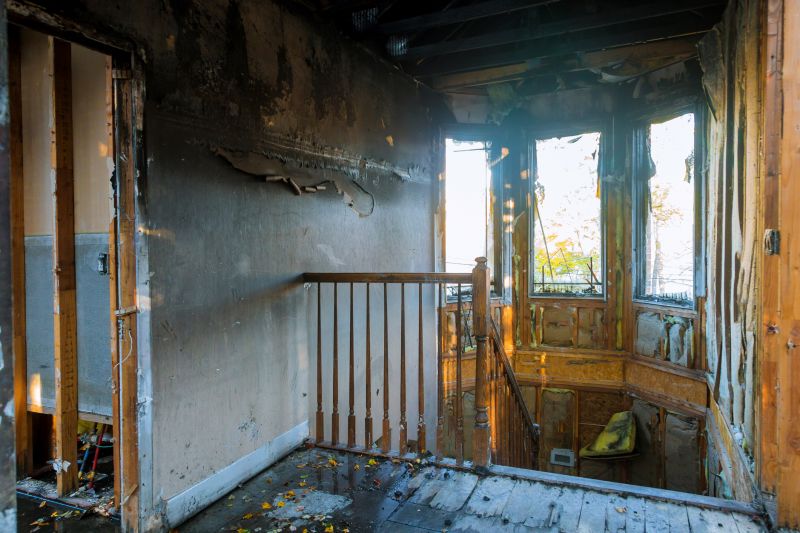 Fire restoration is a critical process that involves addressing the aftermath of a fire to restore safety, cleanliness, and structural integrity. The selection of appropriate products plays a vital role in effectively managing smoke damage, odors, and soot residue. From specialized cleaning agents to protective gear, each tool and material contributes to a comprehensive restoration effort. Proper use of these products can help mitigate further damage and facilitate a smoother recovery process.
Top Overall Option
Comprehensive Fire Damage Restoration Kit
A well-rounded fire damage restoration kit typically includes a variety of cleaning agents, soot removal tools, odor neutralizers, and protective gear. These kits are designed to address multiple aspects of fire aftermath cleanup, providing a convenient and effective solution for both professionals and DIY restorers. They facilitate thorough cleaning, odor control, and safety measures, making them a versatile choice for various fire damage scenarios.
Types of Products For Fire Restorations
Soot and Smoke Cleaners
Specialized solutions formulated to break down soot and smoke residues on surfaces and materials.
Odor Neutralizers
Products designed to eliminate persistent smoke odors from indoor environments.
Fire-Resistant Sealants
Sealants used to contain and prevent the spread of smoke and soot to unaffected areas.
Industrial Degreasers
Heavy-duty cleaners for removing greasy residues caused by smoke and fire exposure.
Protective Personal Equipment
Gear such as masks, gloves, and suits to ensure safety during cleanup and restoration tasks.
Air Scrubbers and HEPA Filters
Equipment used to filter airborne soot particles and improve indoor air quality.
Fire Damage Assessment Tools
Devices and supplies for evaluating the extent of damage and planning restoration procedures.
Dehumidifiers and Drying Equipment
Tools to remove excess moisture and prevent mold growth after fire damage.
Structural Repair Materials
Products such as fire-resistant drywall, framing, and plaster for rebuilding affected structures.
Cleaning Cloths and Sponges
Absorbent and abrasive materials for manual cleaning of surfaces.
Electrostatic Sprayers
Devices for applying disinfectants and deodorants evenly over large areas.
Fireproof Containers and Storage
Secure storage options for sensitive or contaminated materials during cleanup.
Popular Choices
Widely used products for neutralizing lingering smoke smells in homes and businesses.
Ergonomic tools designed for easy soot extraction from various surfaces.
Popular devices for capturing airborne soot particles and improving air quality.
Versatile cleaners suitable for multiple surfaces affected by fire and smoke.
Essential safety gear for workers involved in fire damage cleanup.
Absorbent products used to control odors in enclosed spaces.
Heavy-duty vacuums capable of removing soot and debris from large areas.
Tapes used to seal cracks and prevent smoke migration.
Sprays formulated to mask or neutralize smoke odors effectively.
High-velocity fans used to facilitate moisture removal after fire damage.
Tools for manual removal of soot and charred debris.
Comprehensive kits for evaluating damage severity and planning restoration.
Secure containers for storing sensitive documents and materials during cleanup.
In San Diego, CA, fire restoration professionals and property owners alike seek reliable and effective solutions to handle fire-related damages. The right products not only improve the efficiency of restoration tasks but also ensure safety standards are maintained throughout the process. Whether dealing with minor smoke stains or extensive structural contamination, having a well-stocked arsenal of restoration products can make a significant difference.
Choosing the appropriate products involves understanding the specific needs of each fire damage scenario. Factors such as the extent of soot and smoke residue, the presence of odors, and the materials affected all influence product selection. High-quality cleaning agents, odor neutralizers, and protective equipment are essential components of a comprehensive fire restoration toolkit. Proper training and knowledge about these products further enhance their effectiveness and safety.
Restoration efforts in San Diego often require a combination of products tailored to diverse environments, including residential homes, commercial buildings, and industrial facilities. Investing in versatile and reliable products can streamline the restoration process, minimize downtime, and support a safer recovery environment. Overall, the right selection of fire restoration products is key to achieving thorough and efficient results after fire incidents.
Key Buying Considerations
- Assess the extent of soot and smoke damage to determine the necessary cleaning strength.
- Choose products compatible with the surfaces and materials affected, such as wood, drywall, or fabric.
- Prioritize safety features in protective gear, including proper filtration and fit.
- Look for products with proven efficacy in odor neutralization and residue removal.
- Consider the ease of use and application methods, especially for DIY restoration projects.
- Evaluate the compatibility of cleaning agents with existing cleaning routines or equipment.
- Check for certifications or standards that indicate safety and effectiveness.
- Opt for versatile products that can address multiple aspects of fire damage, such as cleaning and odor control.
- Ensure availability of replacement parts or refills for equipment like filters and sprayers.
- Consider the storage and transportation needs for larger equipment or bulk supplies.
- Review customer feedback and product ratings for insights into real-world performance.
- Determine the environmental conditions of the site, such as humidity and ventilation, which may influence product choice.
- Plan for future maintenance or ongoing odor control after initial restoration.
- Set a budget that balances quality and cost, avoiding overly cheap or premium options that may not suit your needs.
- Consult with fire restoration professionals for recommendations tailored to specific damage scenarios.